

Flat-top, OSFP-RHS & Finned Top: Key Design Innovations Driving Next-Generation Optical Modules
As AI clusters, cloud computing infrastructures, and hyperscale data centers continue to scale, the demand for higher bandwidth and greater power efficiency is reshaping optical module design. While transmission speed often captures the spotlight, structural innovations such as Flat-top, OSFP-RHS, and Finned top have become equally important in ensuring thermal performance, deployment flexibility, and long-term reliability.
At ESOPTIC, we recognize that advanced optical connectivity is not only about optics and electronics—it is also about mechanical engineering. Features like Flat-top, OSFP-RHS, and Finned top are helping next-generation optical modules meet the challenges of 400G, 800G, and future 1.6T networks.
Understanding Flat-top Design
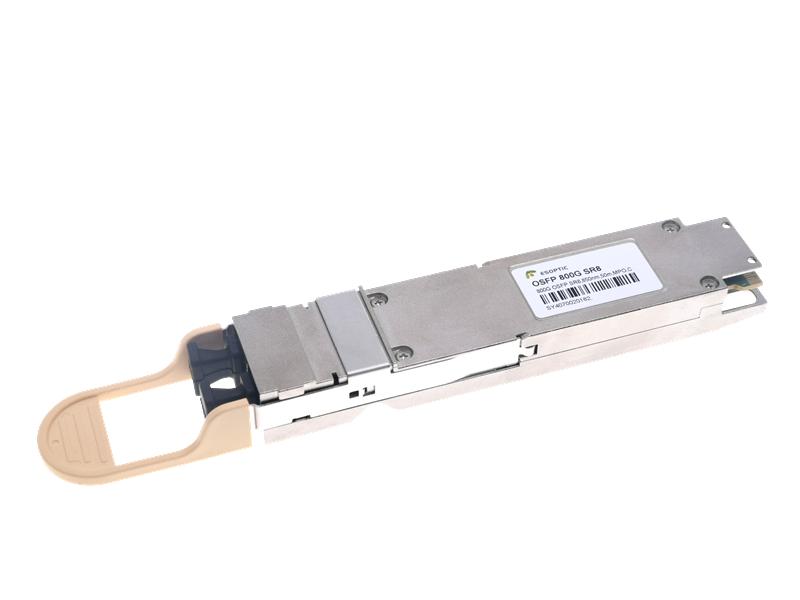
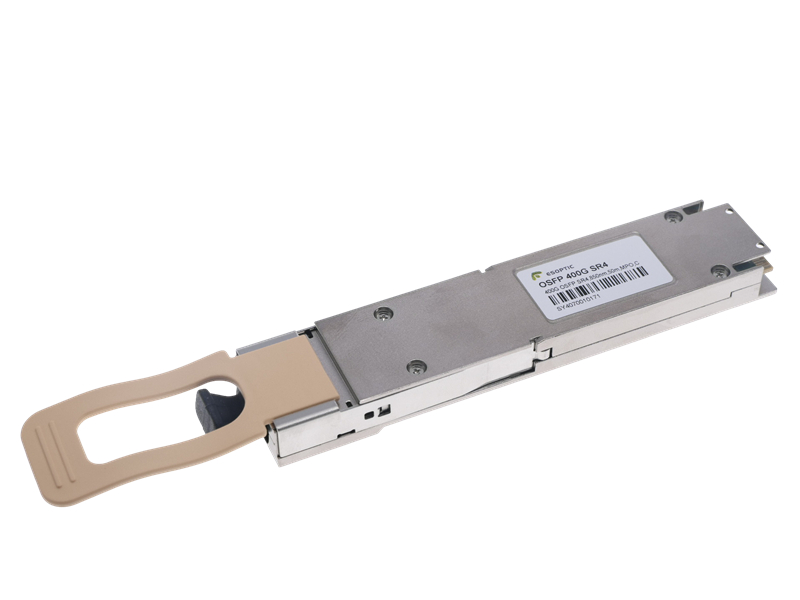
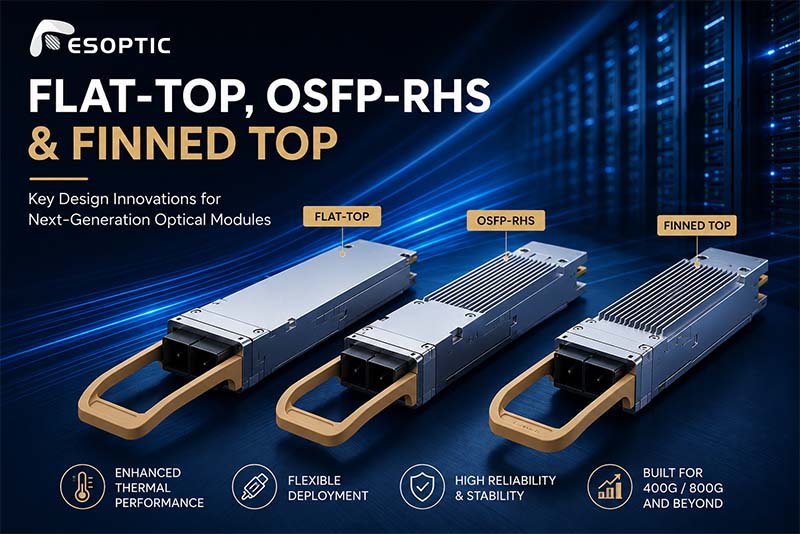
The Flat-top structure refers to an optical module housing with a smooth and uniform upper surface. Compared with conventional designs, Flat-top modules provide a more consistent thermal interface between the transceiver and the heatsink.
The benefits of Flat-top include:
· Improved contact with thermal solutions
· Enhanced heat transfer efficiency
· Better mechanical stability
· Simplified integration in high-density systems
As power consumption increases in modern networking equipment, Flat-top designs help maintain operating temperatures within optimal ranges, contributing to greater reliability and longer service life.
Why OSFP-RHS Matters
OSFP-RHS stands for Right-Hand Side orientation in OSFP module configurations. Although it may appear to be a minor mechanical variation, OSFP-RHS can significantly influence cable routing and airflow management within dense data center environments.
Key advantages of OSFP-RHS include:
· Cleaner cable organization
· Improved rack accessibility
· Better airflow optimization
· Simplified maintenance procedures
For large-scale deployments where thousands of optical links are installed, OSFP-RHS provides practical benefits that can reduce operational complexity and improve overall infrastructure efficiency.
The Role of Finned Top in Thermal Management
As optical modules move toward 800G and beyond, thermal management becomes increasingly critical. This is where the Finned top design delivers substantial value.
A Finned top module incorporates integrated cooling fins on the upper surface, increasing the available area for heat dissipation.
Benefits of Finned top technology include:
·
· Greater thermal dissipation capability
· Lower module operating temperatures
· Improved performance stability
· Enhanced reliability in demanding environments
For AI training clusters and high-performance computing networks, Finned top solutions help prevent thermal bottlenecks and support continuous operation under heavy workloads.
How Flat-top, OSFP-RHS, and Finned Top Work Together
Rather than functioning independently, Flat-top, OSFP-RHS, and Finned top address different aspects of optical module performance.
· السطح المسطح يحسن كفاءة التوصيل الحراري.
· تعمل تقنية OSFP-RHS على تحسين مرونة النشر وإدارة الكابلات.
· تعمل الزعانف العلوية على تعزيز أداء التبريد.
تشكل الأسطح المسطحة، وOSFP-RHS، والأسطح ذات الزعانف معًا حلاً متوازنًا يدعم السرعات العالية، والتحكم الحراري المحسن، وتكامل النظام بشكل أسهل.
تزداد أهمية هذا المزيج مع قيام مشغلي الشبكات بنشر بنى تحتية بصرية من الجيل 400G و800G والجيل القادم.
نهج شركة ESOPTIC في تصميم الوحدات البصرية المتقدمة
في شركة ESOPTIC، يتجاوز الابتكار الهندسي مجرد تقنية الإرسال. يتم تطوير حلولنا البصرية مع مراعاة متطلبات النشر العملية، حيث تدمج ميزات تصميم متقدمة مثل Flat-top وOSFP-RHS و
قم بتزويد الجزء العلوي بزعانف عند الحاجة.
من خلال الجمع بين الأداء البصري والتحسين الحراري والموثوقية الميكانيكية، تساعد ESOPTIC العملاء على بناء بنى تحتية شبكية قابلة للتطوير ومستعدة للمستقبل قادرة على دعم الذكاء الاصطناعي والحوسبة السحابية وتطبيقات مراكز البيانات من الجيل التالي.
خاتمة
مع استمرار ارتفاع سرعات الشبكة، يعتمد تصميم الوحدات الضوئية الناجح على أكثر من مجرد البصريات. فقد برزت تقنيات مثل Flat-top وOSFP-RHS وFinned top كابتكارات هيكلية بالغة الأهمية تُحسّن كفاءة التبريد ومرونة النشر والموثوقية التشغيلية.
بالنسبة للمؤسسات التي تخطط للانتقال إلى شبكات ذات كثافة أعلى، فإن فهم قيمة Flat-top و OSFP-RHS و Finned top يمكن أن يوفر ميزة كبيرة في تحقيق اتصال بصري مستقر وفعال وقابل للتطوير.
التعليمات
1. ما هي وحدة البصريات ذات السطح العلوي المسطح؟
تتميز الوحدة البصرية ذات السطح العلوي المسطح بسطح علوي أملس مصمم لتحسين التلامس الحراري مع المشتتات الحرارية وتعزيز كفاءة تبديد الحرارة.
2. ماذا يعني OSFP-RHS؟
يشير OSFP-RHS إلى تكوين وحدة OSFP بفضل اتجاه الموصل على الجانب الأيمن، مما يساعد على تحسين توجيه الكابلات وإدارة تدفق الهواء.
3. لماذا تعتبر الطبقة العلوية ذات الزعانف مهمة للوحدات البصرية عالية السرعة؟
تزيد الهياكل العلوية المزودة بزعانف من مساحة السطح للتبريد، مما يسمح للوحدات بتبديد الحرارة بشكل أكثر فعالية والحفاظ على أداء مستقر.
4. هل تعتبر الأسطح المسطحة، وOSFP-RHS، والأسطح ذات الزعانف مناسبة لتطبيقات 800G؟
نعم. يتم اعتماد تصميمات السطح المسطح، وOSFP-RHS، والسطح المزود بزعانف على نطاق واسع في بيئات 800G حيث يكون الأداء الحراري وكفاءة النشر أمرًا بالغ الأهمية.
5. كيف تستخدم شركة ESOPTIC هذه التقنيات؟
تقوم شركة ESOPTIC بدمج مفاهيم التصميم ذات السطح المسطح، وOSFP-RHS، والسطح المزود بزعانف في حلول بصرية مختارة لتحسين الموثوقية والإدارة الحرارية وتكامل النظام.
